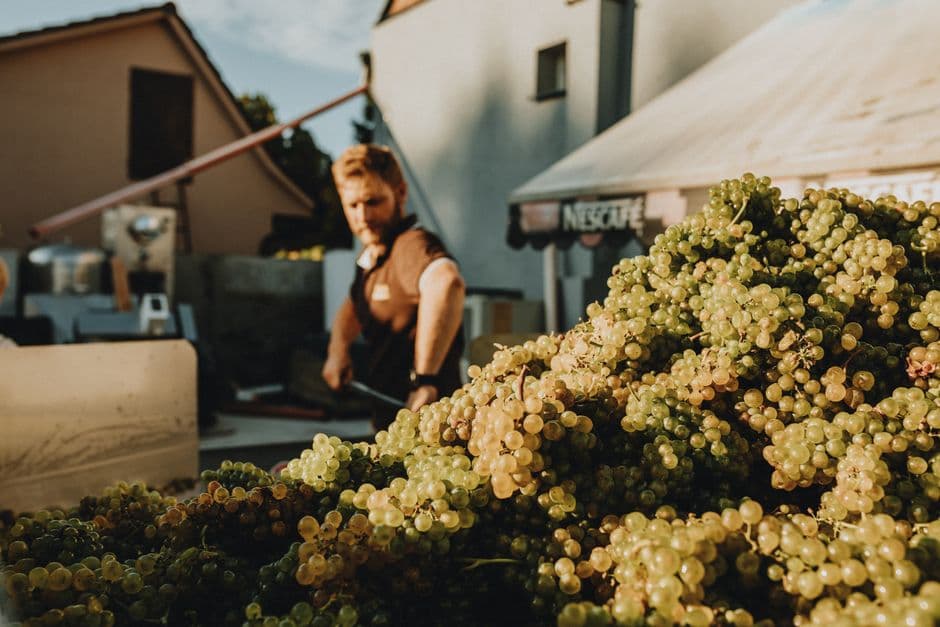
Golden light filters through dense rows of Riesling vines, casting long shadows across the sun-baked hillsides of Alsace. The air is thick with the scent of ripening fruit and damp earth. This is not just a scene from a postcard; it is the raw, visceral reality of the grape harvest, known locally as *les vendanges*. For travelers seeking an authentic immersion into French rural life, this annual event offers a rare window into the heart of wine country. While the reference material highlights October festivals across France, Alsace stands apart due to its specific viticultural calendar and the intimate, village-level nature of its harvest celebrations. Understanding the precise timing and local customs is essential for anyone planning a visit to witness this pivotal moment in the region's agricultural year.
The Specific Timing of the Alsatian Harvest
Unlike the earlier harvests in warmer Mediterranean regions, the Alsatian vendange typically occurs later in the autumn. The process usually begins in early September for early-ripening varieties like Muscat and Pinot Gris. However, the peak activity for the most celebrated grapes, such as Riesling and Gewurztraminer, stretches from late September through mid-October. This extended window is due to the cooler climate of the Upper Rhine Plain, which slows the ripening process but concentrates the acidity and aromatic compounds that define Alsatian wines. Travelers aiming to catch the main action should target the second and third weeks of September for the initial burst of activity, or late September for the full-scale mobilization of local crews.
It is crucial to understand that the harvest is weather-dependent. A sudden drop in temperature or rain can delay the picking, extending the season into early November. Conversely, a warm, dry autumn can accelerate the process. Therefore, while September is the standard target, flexibility is key. The visual transformation of the landscape is also a major draw; as the grapes are picked, the vines begin to shed their leaves, transitioning from deep green to shades of amber and rust. This natural color palette provides a stunning backdrop for photography and hiking, making the timing of your visit just as important for aesthetics as it is for witnessing the labor. The rhythm of the work is dictated by the sun, with crews often starting before dawn to avoid the midday heat and finishing in the late afternoon.
Atmosphere and Local Traditions in the Wine Villages
The atmosphere in Alsace during *les vendanges* is distinct from the larger, more commercial festivals found in cities like Paris or Lyon. In the wine villages of the Route des Vins, the harvest is a community affair. It is a time of intense social activity where neighbors, families, and visitors come together to assist in the picking. The tradition of the *vendange* is deeply rooted in local culture, often accompanied by music, shared meals, and a general sense of communal effort. Unlike the structured parade of the Fête des Vendanges in Montmartre, which is a city-based celebration, the Alsatian experience is grounded in the vineyard itself. You are not just an observer; you are invited to participate, if you are willing to work.
Many domaines (wine estates) and vignerons (winemakers) organize specific events for visitors during this period. These are not always formal ticketed events but rather open invitations to share in the process. You might find yourself helping to sort grapes on a sorting table, a critical step in ensuring quality, or simply enjoying a picnic with local producers. The social fabric of the village tightens during these weeks. Cafés and restaurants in towns like Riquewihr, Kaysersberg, and Eguisheim often feature special menus celebrating the new vintage, even before the wine is officially bottled. This period allows for a deeper connection with the producers, who are often more accessible and eager to share their stories and techniques than during the busy summer tourist season. The energy is palpable, driven by the urgency of harvesting the fruit before the first frosts set in.
Practical Tips for Visiting During Les Vendanges
Planning a visit during the harvest requires specific logistical considerations to ensure you make the most of your trip. Since the activity is concentrated in the vineyards and small villages, having a car is highly recommended. Public transport in the rural parts of Alsace can be limited, and you will want the flexibility to visit multiple domaines or hike to specific vineyard locations. The terrain can be uneven, so comfortable, sturdy footwear is essential. You will likely be walking on gravel paths and dirt tracks that wind through the rows of vines. Additionally, the weather in September and October can be variable, ranging from warm and sunny to cool and damp. Layering your clothing is a practical necessity, as temperatures can drop significantly in the evenings, especially in the higher-altitude vineyards.
- Book accommodation in wine villages like Kaysersberg or Riquewihr well in advance, as capacity is limited and demand spikes during the harvest weeks.
- Contact local domaines directly before your visit to inquire if they welcome visitors for tasting or observation during the picking days, as policies vary by estate.
- Time your visit for a weekday if possible, as weekends in September and October attract large numbers of domestic tourists, leading to crowded streets and sold-out restaurants.
- Carry a small amount of cash, as some smaller family-run producers or market stalls may not accept credit cards, and tips are appreciated for any direct interactions.
Comparing Alsace to Other French Harvest Events
While the reference article highlights major urban events like the Fête des Vendanges in Montmartre or the gastronomic fairs in Dijon, the Alsatian experience offers a different value proposition. The Montmartre festival is a lively, urban celebration with parades and music, ideal for those who want a festive atmosphere without leaving the city center. It is a spectacle rather than a production. In contrast, the Alsatian harvest is an agricultural process. It is less about the spectacle of costumes and floats and more about the tangible work of producing wine. For the foodie, the Dijon fair offers a broad overview of Burgundy’s culinary traditions, but it is a consumer-focused event. Alsace offers a producer-focused experience. You are closer to the source, watching the grapes move from vine to press, and understanding the immediate impact of the harvest on the final product.
The scale of the Alsatian event is also more intimate. The wine routes in Alsace are dotted with small, independent producers who often have deep family roots in the region. This intimacy allows for a more personalized interaction with the winemakers. In larger regions, the harvest can feel industrial, with large machinery and distant workers. In Alsace, hand-picking is still common in many premium vineyards, and the human element is front and center. This makes for a more educational and emotionally resonant experience for the traveler. You learn not just about the wine, but about the people and the land that created it. The connection between the visitor and the producer is stronger, fostering a deeper appreciation for the craft.
Frequently Asked Questions
Can I help with the grape picking?
Yes, participation is often encouraged, though it depends on the specific domaine. Many vignerons welcome volunteers or curious visitors who want to assist with sorting or even picking, provided they are dressed appropriately and can follow safety instructions. It is best to contact the estate in advance to express your interest. Some estates may offer organized "harvest days" where visitors are given basic instructions and can join a team for a few hours. This hands-on experience is highly valued by travelers who want to move beyond passive observation and engage directly with the agricultural process. It is a unique way to understand the physical demands and attention to detail required in viticulture.
Is it safe to drink the wine during the harvest?
Generally, no. The wine from the current harvest is in the fermentation or aging process and is not yet ready for consumption. However, you will be able to taste the previous year's vintage, which is now mature and available for sale. Many producers will also offer *jus de raisin* (grape juice) or *must*, the unfermented juice of the grapes, which is sweet and fresh. Tasting sessions during the harvest often focus on the older vintages to give you an idea of the estate's style and consistency. You should not expect to taste the new wine until it has completed its aging period, which can take months or even years depending on the type of wine.
What should I wear for a vineyard visit?
Comfort and practicality are key. Wear closed-toe shoes with good grip, such as hiking boots or sturdy sneakers, as the ground can be uneven and muddy. Avoid wearing light-colored clothing, as you may get stained with grape juice or dirt. Layers are recommended, as the temperature can fluctuate throughout the day. A light jacket or sweater is advisable for the morning and evening, while a t-shirt may be sufficient during the midday sun. If you plan to participate in any physical activity, such as carrying baskets or sorting grapes, wear clothes that allow for ease of movement. Sun protection, including a hat and sunglasses, is also recommended, especially during the midday hours.
Final Tips for Your Alsatian Harvest Journey
To make the most of your visit, focus on building relationships with local producers. Take the time to sit down with a vigneron, ask questions about their specific vineyard plots, and understand the challenges they face each year. This personal connection will enrich your experience far more than simply checking off a list of tourist spots. Plan your itinerary around the specific dates of the harvest in your target village, as these can vary by a week or two depending on the local weather conditions. One specific actionable tip is to book a table at a local restaurant in the morning and ask the staff for recommendations on which domaines are currently active and welcoming visitors. Local knowledge is invaluable during this dynamic season, and the hospitality of the Alsatian people is a key part of the charm. By approaching the harvest with curiosity and respect for the local tradition, you will gain a profound appreciation for the art and labor behind every bottle of Alsatian wine.