The Alsace region of eastern France presents a distinct architectural and cultural identity, shaped by centuries of shifting borders between French and German influences. Travelers often debate whether to anchor their itinerary in the bustling capital, Strasbourg, or the quieter, picturesque town of Colmar. Each location offers a unique vantage point for exploring the vineyards, historic fortifications, and culinary traditions of this borderland. Choosing the right base depends on your tolerance for urban energy versus rural tranquility, as well as your specific interests in history, wine, or architecture.
Urban Energy vs. Village Charm
Strasbourg serves as the administrative and cultural heart of Alsace. It is a bustling city with a population that supports a wide array of restaurants, museums, and nightlife options. The city center, particularly the Grande Île, is a UNESCO World Heritage site featuring a stunning Gothic cathedral that dominates the skyline. The atmosphere is lively, with trams connecting the various districts and a constant flow of pedestrians exploring the covered markets. This urban setting makes it easier to find diverse dining options, from traditional Alsatian bistrots to international fine dining. However, the sheer size of the city can feel overwhelming for those seeking a slower pace. The noise levels and traffic, while manageable, are significantly higher than in smaller towns.
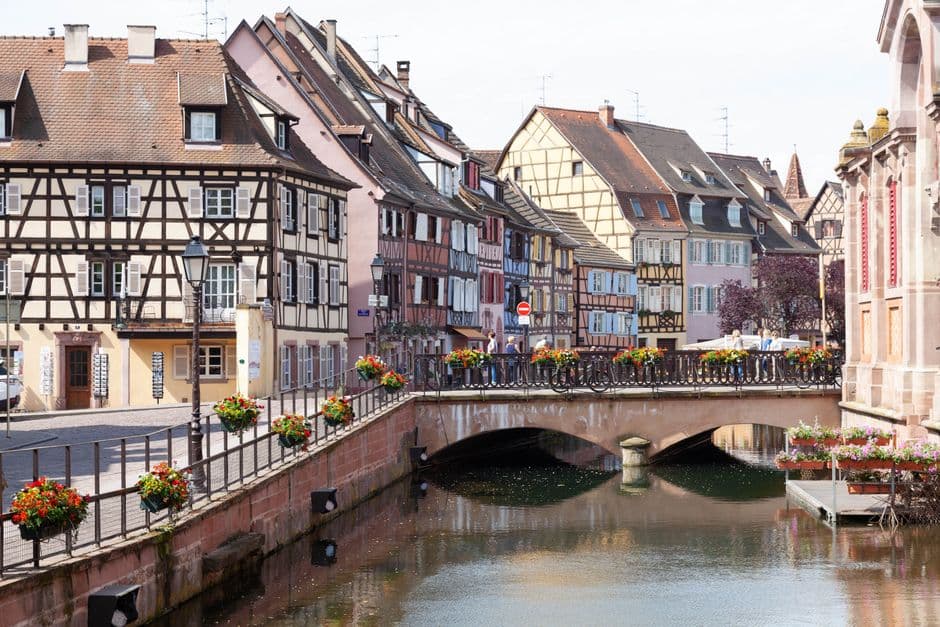
In contrast, Colmar offers a more intimate experience often described as a "mini-Strasbourg" without the crowds. The town is compact, allowing visitors to walk to most major attractions within a few minutes. The streets are lined with half-timbered houses in pastel shades, creating a postcard-perfect setting that feels frozen in time. The River Lauch winds through the center, adding to the romantic ambiance. While Colmar lacks the extensive public transport network of Strasbourg, its small size makes this a non-issue for most tourists. The vibe is relaxed and residential, with fewer commercial establishments and a stronger emphasis on local community life. For travelers who prioritize atmosphere and photogenic scenery over urban amenities, Colmar provides a more immersive and less stressful environment. It feels less like a destination and more like a living town where history is still present in the daily rhythm of life.
Historical Depth and War Memorials
The history of Alsace is complex, marked by repeated changes in sovereignty. Both cities offer significant historical sites, but the nature of these attractions differs. Not far from Strasbourg, in the town of Schirmeck at the edge of the Vosges (roughly 50 km from the city), the Alsace-Moselle Memorial documents the region's history with a particular focus on World War II and the repeated annexations that shaped local identity. It makes for a popular half-day excursion for visitors based in Strasbourg, even though the memorial itself sits well outside the city. The city itself survived the war with less destruction than many other French cities, preserving its medieval and Renaissance architecture. Walking through the streets, one encounters a blend of French and German architectural styles, reflecting the dual heritage of the region. The Grand Cathedral is not just a religious site but a symbol of the city’s resilience and artistic achievement.
Colmar, however, is inextricably linked to the military history of the region, particularly during the final months of World War II. A key attraction is the Memorial Museum of the Battle of Colmar Pocket. This site documents the horrific series of battles that took place from November 1944 to February 1945 before the area’s liberation. The museum offers a somber and educational look at the human cost of the conflict, providing a counterpoint to the town’s fairy-tale appearance. Visitors can also access the Natzweiler-Struthof Concentration Camp, located in the nearby Vosges Mountains. This was the only Nazi-established concentration camp on French territory, holding thousands of prisoners. While this site is emotionally heavy, it is a significant part of understanding the region’s past. For history buffs, Colmar offers a more direct and intense connection to the wartime experience, whereas Strasbourg provides a broader, more curated overview of regional history.
Wine Routes and Culinary Experiences
Alsace is renowned for its wines, and the choice of base affects how easily you can access the vineyards. Both cities are close to the Alsace Wine Route, which stretches along the foothills of the Vosges Mountains. The region specializes in aromatic white varieties such as Riesling and Gewürztraminer. From Strasbourg, the vineyards are accessible but require a bit more travel time to reach the heart of the wine-growing areas. The city itself has a lively food scene, with markets offering local specialties like choucroute, tarte flambée, and various cheeses. The diversity of dining options in Strasbourg means you can find everything from casual street food to high-end gastronomy within the city limits.
Colmar is situated closer to the primary wine-producing villages, making it an ideal base for day trips to vineyards and wineries. The surrounding area is dotted with small towns where you can visit family-run estates and taste wines directly from the source. The proximity to the vineyards allows for a more relaxed approach to wine tourism, with shorter drives and more opportunities for spontaneous visits. The culinary scene in Colmar is slightly more limited in terms of variety but focuses heavily on traditional Alsatian cuisine. Many restaurants serve hearty, local dishes that reflect the agricultural heritage of the region. For those whose primary goal is wine tasting and exploring rural Alsace, Colmar’s location offers a logistical advantage. The shorter distances to the vineyards mean more time spent tasting and less time spent driving. The atmosphere is more conducive to leisurely afternoons spent in vineyards rather than rushing between urban appointments.
- Book a guided wine tour from Colmar to minimize driving time and ensure access to private estates that do not offer public tours.
- Choose Strasbourg as your base if you plan to visit the Alsace-Moselle Memorial near Schirmeck — it's a manageable half-day trip from the city, by car or organized tour.
- Stay in Colmar if you prefer walking distances to vineyards, as the town is closer to the main wine route than the capital.
- Be aware that Natzweiler-Struthof requires a full half-day trip, so plan your schedule accordingly if you are based in either city.
Logistics and Transportation
Transportation infrastructure is a practical consideration when choosing a base. Strasbourg is a major transport hub with an international airport, a high-speed TGV station, and a well-connected tram system. This makes it easier to arrive and depart, as well as to travel to other parts of France or neighboring countries. The public transport system in Strasbourg is efficient and frequent, allowing visitors to move around the city and its immediate surroundings without a car. This is particularly useful for those who do not wish to drive in Europe. The city’s size also means there are more accommodation options, ranging from luxury hotels to budget hostels, catering to different budgets and preferences.
Colmar, while smaller, is also well-connected by train, with regular services to Strasbourg and other major cities. However, it lacks an airport and a high-speed rail station, meaning most visitors will need to travel to Strasbourg for major connections. Within Colmar, the town is very walkable, and a car is not necessary for exploring the city center. However, if you plan to visit the surrounding wine villages or the concentration camp in the Vosges, having a car or joining a guided tour is highly recommended. The distance to Natzweiler-Struthof is significant, and public transport options are limited. Therefore, if you are based in Colmar, you may find yourself relying more on organized tours or renting a car for day trips. In Strasbourg, the availability of public transport and tour operators makes it easier to arrange excursions without a personal vehicle. The logistical ease of Strasbourg makes it a safer choice for first-time visitors to the region who prefer not to navigate rural roads.
Frequently Asked Questions
Which city is better for families with children?
Strasbourg is generally better for families due to its larger size and variety of attractions. The city has more playgrounds, family-friendly museums, and a wider range of accommodation options. The tram system is also convenient for moving around with strollers. Colmar is charming but smaller, and the historical sites, such as the concentration camp, may be too intense for young children. However, the compact nature of Colmar makes it easy to navigate on foot, which can be a plus for families who prefer a slower pace.
Can I visit both cities in one day?
Yes, it is possible to visit both cities in one day, as they are close to each other. The train journey between Colmar and Strasbourg takes less than an hour. However, trying to see the highlights of both cities in a single day can be rushed. It is recommended to spend at least one full day in each city to fully appreciate their unique atmospheres and attractions. If you are short on time, consider staying in one city and taking a day trip to the other.
Is a car necessary for exploring Alsace?
A car is not strictly necessary if you are staying in Strasbourg, as the city is well-connected by public transport. However, a car is highly recommended if you plan to explore the wine route or visit sites like Natzweiler-Struthof, which are located in more rural areas. Public transport options to these locations are limited and may require multiple transfers. If you do not have a car, consider joining a guided tour to access these remote sites.
Which City Should You Choose?
Choosing between Colmar and Strasbourg ultimately depends on your travel style and interests. If you prefer an energetic urban environment with excellent transport links and a wide range of dining options, Strasbourg is the ideal base. It offers a comprehensive overview of Alsatian history and culture, with easy access to major museums and markets. On the other hand, if you seek a quieter, more picturesque setting with closer proximity to the vineyards, Colmar is the better choice. Its intimate atmosphere and rich historical sites, including the Battle of Colmar Pocket Memorial, provide a deeper dive into the region’s past. For a balanced trip, consider splitting your stay, spending a few nights in each city to experience both the urban energy of Strasbourg and the rural charm of Colmar. This approach allows you to fully appreciate the diversity of Alsace, from its grand cathedrals to its intimate wine villages. Regardless of your choice, both cities offer a unique and memorable gateway into the heart of Alsace.