Alsace Soleil
← Back to Blog
Alsace Wine Guide: Grape Varieties, Tasting Tips, and How to Choose

Alsace Wine Guide: Grape Varieties, Tasting Tips, and How to Choose

Published August 26, 2026

The Alsace vineyards stretch along the eastern edge of France, a narrow strip of land shielded from the Atlantic by the Vosges Mountains. This unique geography creates a microclimate that allows for the production of some of the world's most aromatic white wines. The region is known for its distinct varietal focus, where the grape variety dictates the wine's identity more than the specific vineyard site, a practice that sets it apart from most of France. Understanding this structure is the first step to navigating the local market with confidence.

The Four Noble Grapes and Their Distinct Profiles

Alsace is defined by its "Noble Grapes" or *Nobles Ceps*. These four varieties, Riesling, Gewurztraminer, Pinot Gris, and Muscat, account for the majority of quality production in the region. Each has a specific flavor profile that serves different palates and food pairings. Riesling is the backbone of Alsace. It is dry, crisp, and high in acidity. A good Riesling features notes of green apple, lemon, and wet stone. It is incredibly food-friendly because the acidity cuts through rich dishes. Gewurztraminer is the polar opposite. It is low in acidity and high in aroma. You will smell lychee, rose, and spice immediately. It can be dry or off-dry, but the perfume is always intense. Pinot Gris sits between the two. It has a creamy texture, often described as "oily," with flavors of banana, honey, and toasted nuts. Muscat is the most delicate. It smells exactly like the grape itself, offering fresh floral and melon notes. A common pitfall for new tasters is assuming all Alsace whites are sweet. This is incorrect. The majority of Alsatian wines, particularly Riesling and Pinot Gris, are bone dry. The sweetness comes from the grape's natural sugar content, which is preserved through careful fermentation. If you prefer dry whites, start with Riesling. If you enjoy aromatic, spiced wines, try Gewurztraminer.

Understanding Vin de Pays and AOC Classifications

The Alsace AOC (Appellation d'Origine Contrôlée) is the primary quality designation for the region. However, not all Alsace wines are created equal. The AOC system categorizes wines into two main tiers: *Alsace AOC* and *Alsace Grand Cru*. The standard *Alsace AOC* covers most of the region's production. These wines are varietal, meaning the label will state the grape variety. They are reliable, affordable, and offer a true taste of the grape. A typical *Alsace AOC* Riesling costs between 8 and 15 euros per bottle. These are perfect for everyday drinking and casual dining. The *Alsace Grand Cru* designation applies to 51 specific vineyards. These sites have distinct terroirs, such as granite, schist, or limestone. The wines from these sites are often more structured and age-worthy. The label must state the specific Grand Cru name, such as "Grand Cru Rangen" or "Grand Cru Schlossberg." These wines often cost between 15 and 40 euros. They offer more complexity and mineral depth than the standard AOC. There is also the *Crémant d'Alsace*, the region's sparkling wine. It is made using the traditional method, similar to Champagne. It is a fantastic value proposition, often costing less than half the price of a comparable Champagne. The bubbles are fine and persistent, with a crisp acidity that makes it an excellent aperitif.

Practical Tasting Tips for Alsatian Whites

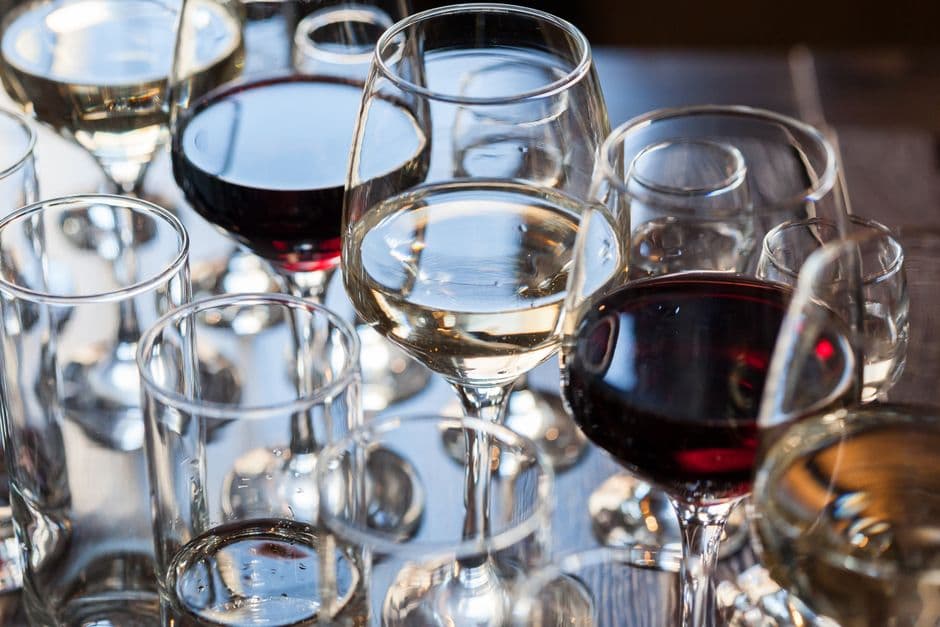
Tasting Alsace wines requires a slightly different approach than tasting Burgundy or Bordeaux. Because the wines are varietal, you are tasting the grape, not the place. This makes them easier to compare. First, use the right glass. Alsatian wines have high aromas that need to be released. A tulip-shaped glass with a wide bowl and a narrow rim is ideal. This concentrates the nose, allowing you to detect the subtle nuances of lychee in Gewurztraminer or the flinty notes in Riesling. A standard Bordeaux glass will mute these aromas. Second, serve at the correct temperature. Most people serve white wines too cold. Chilling a Riesling to 5 degrees Celsius will mask its flavors and make it taste flat. The ideal serving temperature for most Alsatian whites is 10 to 12 degrees Celsius. This allows the aromas to express themselves while keeping the wine refreshing. If the wine has been in the fridge, let it sit on the table for 10 minutes before pouring. Third, pay attention to the label. The vintage year is critical. Alsatian wines can vary significantly by year. A warm vintage, such as 2015 or 2019, will produce richer, fruitier wines with higher alcohol content. A cool vintage, such as 2013 or 2017, will produce lighter, crisper wines with lower alcohol. Knowing the vintage helps you predict the style.

How to Choose the Right Bottle for Your Needs

Choosing an Alsatian wine depends on your context. Are you drinking it with a meal? Are you drinking it alone? What is your budget? For a casual dinner with friends, a standard *Alsace AOC* Pinot Gris is a safe choice. It is approachable, has a pleasing texture, and pairs well with a wide range of foods. The price point is usually under 12 euros per bottle. You can find these at most wine shops and supermarkets. For a special occasion or a gift, consider a *Grand Cru* Riesling. These wines have structure and longevity. A Riesling from the 2018 or 2020 vintage will be fresh and vivid. A Riesling from 2015 or earlier will have developed some honeyed notes and complexity. These bottles range from 20 to 50 euros. They make impressive gifts because they are distinctive and high quality. For an aperitif, look for *Crémant d'Alsace*. It is bubbly, crisp, and affordable. A good Crémant costs between 10 and 15 euros. It is a perfect alternative to Champagne if you want quality without the premium price tag. If you are new to aromatic whites, start with a Gewurztraminer. The intense nose is engaging and easy to identify. Pair it with a light salad or mild cheese. Avoid pairing it with strong, spicy foods initially, as the sweetness can clash with heat.

Food Pairings and Storage Guidelines

Alsace wines are inherently food-friendly. Their acidity and aromatic profiles make them versatile partners for a variety of dishes. Riesling pairs exceptionally well with Asian cuisine. The acidity cuts through the oil and spice. Try a dry Riesling with Thai green curry or Japanese sushi. It also works well with pork dishes, such as pork schnitzel or braised pork shoulder. The acidity cleanses the palate between bites. Gewurztraminer is a natural match for spicy food and strong cheeses. The sweetness balances the heat in Indian or Sichuan dishes. It also pairs well with blue cheeses, such as Gorgonzola or Roquefort. The fat in the cheese complements the wine's texture. Pinot Gris is a crowd-pleaser. It pairs well with mushroom dishes, roasted chicken, and soft cheeses. Its creamy texture makes it a good match for creamy sauces, such as a mushroom risotto or a cream-based fish soup. Muscat is best served slightly chilled as an aperitif. It pairs well with fruit, such as melon or peach. It is also a good match for light, floral desserts. Storage is crucial for longevity. Alsace whites are not typically meant for long-term aging, except for Grand Cru Rieslings. Standard AOC wines should be consumed within 3 to 5 years of the vintage. Grand Cru Rieslings can age for 10 to 20 years or more. Store your wine in a cool, dark place, ideally between 10 and 15 degrees Celsius. Avoid fluctuations in temperature, as they can damage the wine.

Frequently Asked Questions

Are Alsace wines sweet?

Most Alsace wines are dry. Riesling and Pinot Gris are typically bone dry. Gewurztraminer can be off-dry but is often dry. Muscat is usually dry or off-dry. Check the label for "sec" (dry) or "moelleux" (sweet) to be sure.

What is the difference between Alsace AOC and Grand Cru?

Alsace AOC is the standard designation for varietal wines. Grand Cru is a higher tier for wines from 51 specific vineyards. Grand Cru wines are often more structured, complex, and age-worthy. They also cost more, typically 15 to 40 euros compared to 8 to 15 euros for standard AOC.

Which Alsace grape is best for beginners?

Pinot Gris is a great starting point. It is approachable, has a creamy texture, and is less aromatic than Gewurztraminer. It is easy to drink and pairs well with many foods. Riesling is also a good choice if you prefer crisp, dry whites.

How should I serve Crémant d'Alsace?

Serve Crémant d'Alsace in a flute or tulip glass. Chill it to 6 to 8 degrees Celsius. It is an aperitif wine, so it is best served before a meal. It pairs well with oysters, light appetizers, or simply on its own.

Final Tip

Buy a vertical of Riesling. Purchase three bottles from the same producer but different vintages, such as 2019, 2017, and 2015. Taste them side by side. You will see how the wine changes with age. The 2019 will be fresh and fruity. The 2017 will be slightly more complex. The 2015 will have honeyed notes and a deeper color. This exercise is the fastest way to understand the potential of Alsatian whites. It is a cheap investment in your wine knowledge. Start with a standard AOC Riesling from a reputable producer like Trimbach or Weinbach. These houses are known for quality and consistency. Their Rieslings are the benchmark for the region. Taste them, compare them, and you will develop a palate that can navigate any Alsatian wine list.